
Selling a home isn’t just about putting a sign in the yard and hoping for the best — it’s about preparation, presentation, and emotional connection. After more than a decade in real estate and years working as a certified home stager, I’ve seen firsthand that the homes that sell the fastest and for the strongest prices are the ones where sellers invest time and effort into proper staging — both inside and outside.
The Statistics Behind Staging Success
Industry data continues to show that staging is one of the most powerful tools a seller can use:
- 81% of buyers say staging helps them visualize a property as their future home (National Association of Realtors).
- Staged homes sell faster, with many agents reporting reduced days on market compared to non-staged properties.
- Over 20% of sellers’ agents report staged homes increase offer value by 1–5%, while some see even higher returns in competitive markets.
- Well-staged homes receive more online engagement, which directly translates into more showings and stronger buyer interest.
- Buyers’ agents consistently rank living rooms, primary bedrooms, and kitchens as the most important spaces to stage.
These statistics highlight something important: staging isn’t decoration — it’s strategic marketing!
First Impressions Start Before Buyers Walk In
Buyers begin forming opinions the moment they pull up to the property. The exterior sets expectations for what they believe the inside will feel like. If the outside feels neglected, buyers unconsciously assume the home has not been well maintained.
Simple exterior staging can dramatically change perception:
- Fresh mulch and trimmed landscaping
- A clean walkway and pressure-washed driveway
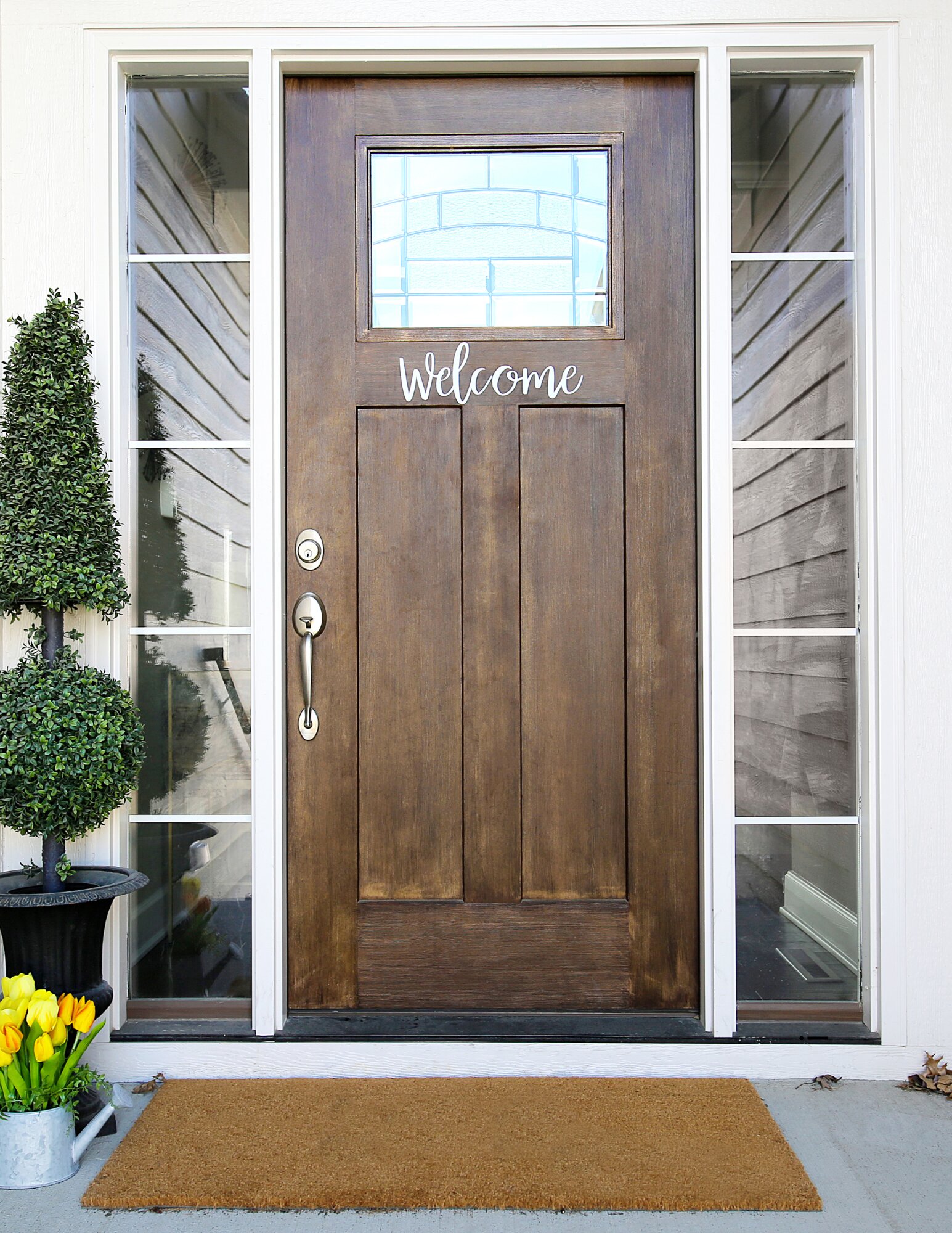
- A welcoming front entry with intentional décor
- A freshly painted or cleaned front door
As someone passionate about design, I often remind sellers that the entryway tells the story of the home before a single word is spoken. It should feel open, intentional, and inviting — never cluttered or forgotten.
Interior Staging Creates Emotional Connection
Inside the home, staging shifts the experience from someone else’s house to a buyer’s future home. Buyers aren’t just evaluating square footage — they are imagining daily life, comfort, and memories.
Proper interior staging helps:
- Highlight space and functionality
- Maximize natural light
- Minimize distractions and personal items
- Create a calm, move-in-ready feeling
Staging isn’t decorating — it’s strategic. Every piece should serve a purpose, define space, and guide buyers through the home with ease.
Preparation Shows Pride and Builds Buyer Confidence
The effort put into preparing a home communicates something powerful: pride of ownership. Buyers notice the details — clean baseboards, organized closets, fresh paint, and minor repairs handled before hitting the market.
Preparation tells buyers:
- The home has been cared for
- There are fewer hidden surprises
- Moving in will feel easier and less overwhelming
And in today’s market, ease and confidence often translate directly into stronger offers.
The Reality: Effort Equals Return
One of the biggest misconceptions sellers have is that staging is optional or purely cosmetic. The truth is that staging is a marketing tool — one that influences buyer perception, showing traffic, time on market, and ultimately sale price.
Homes that are thoughtfully staged typically:
- Photograph better online
- Attract more showings
- Feel more valuable to buyers
- Sell faster and with stronger negotiation power
The sellers who achieve the best outcomes are the ones willing to put in the work upfront rather than chasing price reductions later.
Final Thoughts
Preparing a home for sale is not about perfection — it’s about intention. When sellers combine exterior curb appeal with purposeful interior staging, they create an experience that buyers remember.
Effort matters. Preparation matters. And the homes that reflect both are the ones buyers fall in love with.
If you’re thinking about selling, investing time into staging isn’t an extra step — it’s one of the most important steps you can take.
Preparation is not optional. It is the foundation of a successful sale.